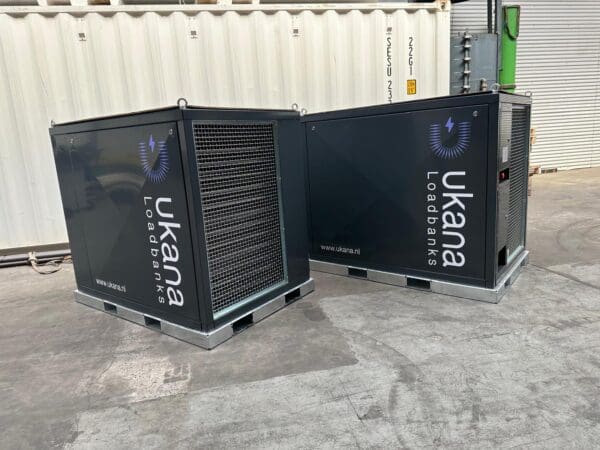
Ensuring grid stability in renewable energy systems
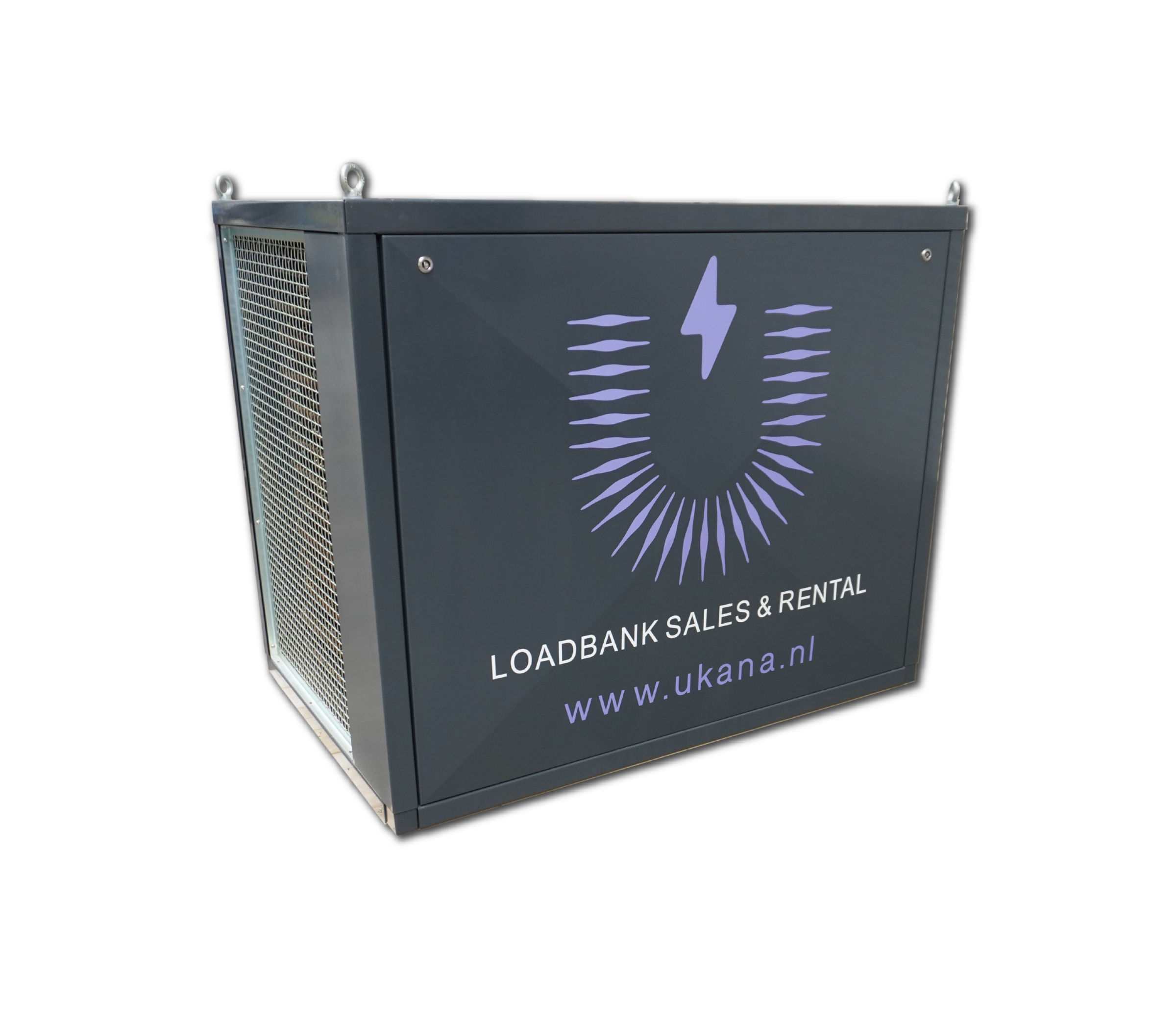
What is netbalancing?
Netbalancing refers to the process of managing and optimizing energy flow in power systems, particularly in renewable energy applications. It involves balancing the energy produced by renewable sources, such as solar and wind, with the demand on the grid. This ensures stable and efficient energy distribution without overloading or under-supplying the grid.
The role of load banks in netbalancing
Load banks play a critical role in netbalancing by simulating real-world electrical loads, allowing renewable energy systems to be tested and optimized under controlled conditions. Here’s how load banks contribute to netbalancing:
1. Stabilizing output voltage
Load banks help regulate the voltage output of renewable energy systems, such as solar panels and wind turbines, ensuring it remains within acceptable limits. This prevents overvoltage conditions that could damage equipment or disrupt the grid.
2. Preventing overvoltage
In solar PV systems, load banks can act as artificial loads to draw excess energy when the grid is unavailable. This prevents panels from overvoltage, which can degrade their efficiency and lifespan.
3. Grid simulation
Load banks simulate the grid’s behaviour, allowing engineers to test how renewable energy systems respond to varying loads and grid conditions. This ensures the system can handle real-world scenarios without compromising stability.
4. System validation
By applying controlled loads, load banks help validate the performance of renewable energy systems, ensuring they can deliver power consistently and efficiently under different operating conditions.
Benefits of using load banks for netbalancing
– Improved energy efficiency: Load banks help optimize energy output and reduce waste during periods of low demand.
– Enhanced system reliability: Testing under simulated loads ensures renewable energy systems are ready for real-world challenges, reducing the risk of failures.
– Compliance with grid standards: Load bank testing ensures systems meet grid stability and voltage regulation requirements, avoiding penalties and ensuring safe operation.
Industries benefiting from load bank netbalancing
– Solar energy farms: Load banks are used for pre-soaking thin-film panels and stabilizing output voltage during grid outages.
– Wind energy farms: Loadbanks act as dump loads, providing voltage regulation and ensuring smooth operation of wind turbines.
– Hybrid power systems: Load banks help balance energy flow between renewable sources, batteries, and the grid, ensuring seamless transitions during grid connectivity issues.
Contact Ukana
By integrating load banks into netbalancing strategies, Ukana helps renewable energy providers maintain grid stability, optimize performance, and ensure reliable energy delivery. This makes load banks an indispensable tool in the transition to sustainable energy systems. Contact us for more information.